Chris Soderquist, Pontifex Consulting
Chris Soderquist is the Modeling Facilitator for this project. He leads the technical work of building the model itself: its architecture, equations, data, calibration, interface, and documentation, while remaining responsive to feedback on how the model functions.
Chris Soderquist is a systems thinking and system dynamics consultant with more than 30 years of practice helping public health agencies, governments, nonprofits and companies work on problems that resist simple fixes. Through Pontifex Consulting, the firm he founded in 1998, he builds simulation models with the people who will use them, so partners can test strategies together before they commit resources. He uses his Systemic Intelligence (SysQ) framework to find the interventions that deliver the most improvement for the effort, and to leave behind teams who can keep doing that analysis on their own.
Trauma and adverse childhood experiences run through much of his work. He has worked with leaders in trauma-informed policy, including the Family Policy Council and the CDC, on approaches to preventing ACEs and reducing their long-term effects. His other health work includes ongoing engagements with SAMHSA and the CDC, the Cincinnati Child Poverty Collaborative, and the Georgia Health Policy Center, where he has taught systems thinking to Republican and Democratic state legislators since 2008.
He worked under Donella Meadows at the Sustainability Institute and with Barry Richmond, founder of High Performance Systems (now isee systems), and has collaborated with John Sterman and Peter Senge. Other clients include the United Nations, the World Bank, the Gates Foundation, Boeing, PepsiCo and Pfizer.
For several years Chris has served as a modeler and interface designer on the Rippel Foundation’s community modeling projects. Communities across the country, including the Fox River Coalition in Wisconsin, use the Rippel model to decide together where to invest so their people and places can thrive. The model Minnesota partners will build is similar in scope, with a more fundamental and operational focus on trauma and its effects.
More information about how this tool has been used can be found here:

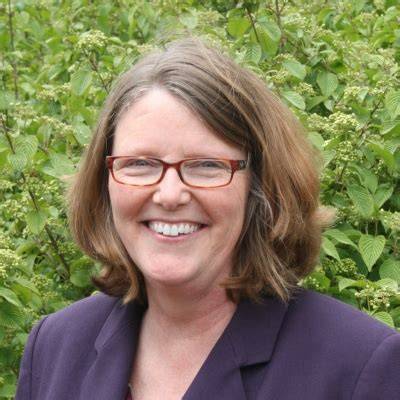 the budget and the broader scope of the project. She sets the purpose and boundaries of the work, approves major decisions, helps the team access resources, and steps in to resolve issues that rise above the project team’s level.
 the relational and logistical backbone of the project. This includes managing communications and invitations, coordinating in-person events, and acting as the main point of contact linking the project team, advisory group, and modeling participants. FamilyWise is also responsible for building and sustaining engagement among Minnesota-based teams, helping recruit additional expertise when gaps appear, and bridging communication between technical experts and community members.